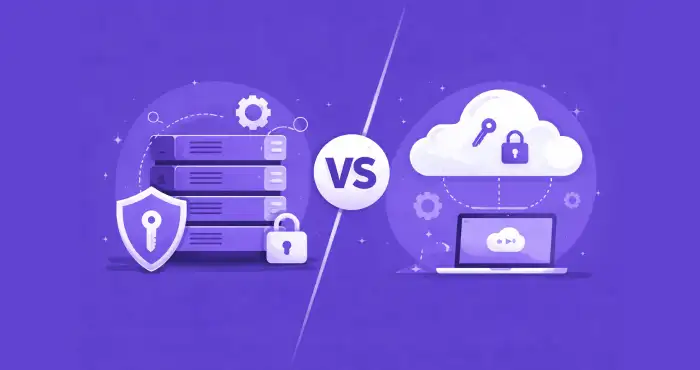


Software theft is common. It affects SaaS startups, desktop tools, and enterprise software. And most developers underestimate the risk until revenue drops or licenses get abused.
If you want to understand how to protect your software, you need more than obfuscation or license keys. You need a licensing system that controls who can use your software, where, and for how long.
This software security guide explains the exact system modern vendScalabilityors use. It covers real software protection strategies, licensing architecture, and enforcement methods that actually work.
Platforms like License Manager exist because manual protection fails at scale. Once your software grows, licensing becomes infrastructure, not a feature.
What Is Software License Management?
Software license management is the system that controls access to your software. It decides who can use it, on which device, and under what conditions.
This is the core layer behind every serious software protection strategy.
Without license management, your software has no enforcement.
Here is the simple breakdown:
| Component | What it does | Why it matters |
|---|---|---|
| License key | Unique identifier for each customer | Controls access |
| License server | Validates licenses | Prevents unauthorized use |
| Validation system | Checks license status | Blocks piracy |
| License database | Stores license records | Tracks customers and usage |
This system answers one critical question:
Should this user be allowed to run your software?
If yes, access is granted. If no, access is blocked.
This is how modern vendors protect software from hacking and unauthorized access. Without this system, anyone can copy your software and run it freely. License management gives you control.
Why Software License Management Is Critical for Modern Software Vendors
Most developers think software protection is optional. It is not. It directly affects revenue, security, and business survival.
Here are the real risks if you do not protect software properly.
1. Revenue Loss From Piracy
If your software runs without license validation, it can be copied endlessly. One paid license can turn into hundreds of unauthorized users. This destroys your revenue model.
License enforcement stops this by validating every installation.
2. Unauthorized Access and License Sharing
Customers often share license keys across teams or publicly. Without enforcement, you cannot stop it.
With license validation, you can limit usage to:
- specific devices
- specific users
- specific time periods
This is a core part of software security best practices.
3. No Visibility into Software Usage
If you do not track licenses, you do not know:
- how many active users you have
- which licenses are abused
- which customers are inactive
This creates blind spots. License management gives you full visibility.
4. Increased Risk of Software Tampering and Hacking
Attackers reverse engineer software to bypass restrictions. This happens often with desktop and SaaS clients.
A license server prevents this by validating access externally. Even if the client is modified, the server can block access.
This is one of the most effective ways to protect software from hacking.
Real Business Impact of Poor Software Protection
| Risk | What happens | Business impact |
|---|---|---|
| License sharing | Multiple users per license | Revenue loss |
| Cracked software | Pirated copies spread | Loss of customers |
| No validation | Unlimited access | No enforcement |
| No monitoring | Abuse goes undetected | Security risk |
This is why license management is not optional. It is the foundation of any serious software security guide. Without it, you cannot control access, protect revenue, or secure your software.
How Software Licensing Works (Complete Architecture Breakdown)
Software licensing is the control system behind software access. It decides who can run your software and who cannot. This is the backbone of how to protect your software in real environments.
At the center of this system is the license server. The license server creates licenses, verifies them, and blocks unauthorized use. Without a license server, your software cannot enforce access rules.
Platforms like License Manager automate this process and remove manual control risks. Here is how the licensing architecture works step by step.
License generation
License generation is the first step. The license server acts like a license key generator tool for each customer.
This license contains:
- customer ID
- expiration date
- allowed devices
- enabled features
This ensures each license is controlled and traceable. Also, this is one of the most basic software security best practices.
License activation
Activation connects the license to a specific user or device. This prevents license sharing across unlimited machines. Activation can include:
- device fingerprinting
- hardware ID binding
- user account binding
This step is critical to protect software from hacking and license abuse.
License validation
Validation checks if the license is valid before allowing access. This happens when:
- software starts
- user logs in
- protected feature is accessed
Validation can happen:
- locally using license files
- remotely using a license server
Remote validation is more secure as it prevents bypass attacks. This is one of the strongest software protection strategies used today.
License enforcement
Enforcement is the decision layer.
- If license is valid → software runs
- If license is invalid → access is blocked
This ensures that only authorized users can run your software. Without enforcement, licenses have no value.
License monitoring and revocation
Monitoring tracks license usage. This helps detect:
- license abuse
- unusual activity
- unauthorized installations
Revocation allows you to disable licenses remotely. This gives you full control and is a core component of any serious software security guide.
Complete License Validation Workflow
This is the exact workflow used in modern software protection systems:
- License created on license server
- License assigned to customer
- Customer activates software using license
- Software validates license locally or remotely
- License server verifies usage rights
- Server approves or rejects request
- Access granted or denied
This process happens in seconds, and it protects your software continuously.
Role of the License Server in Software Protection
The license server is the authority. It performs critical security functions:
- generates licenses
- validates license authenticity
- prevents unauthorized use
- disables compromised licenses
- monitors usage
So,
- Without a license server, software protection is weak.
- With a license server, you gain full control over software access.
This is the foundation of modern software protection strategies.
Types of Software Licensing Models (Comparison Table)
Different licensing models serve different software types. Choosing the right model affects both security and revenue protection.
Here is a comparison of the main licensing models so you can assess how to protect your software:
| License Type | Description | Best For | Security Level |
|---|---|---|---|
| Node-locked license | Bound to one device | Desktop software | High |
| Floating license | Shared across devices | Enterprise teams | Very high |
| Subscription license | Time-limited license | SaaS products | Very high |
| Trial license | Limited duration or features | Product trials | Medium |
| Perpetual license | Lifetime access | Legacy software | Medium |
Node-locked license
Node-locked licenses bind software to one device. This prevents license sharing and it is commonly used in:
- desktop applications
- engineering tools
- offline software
This model is simple and secure but lacks flexibility.
Floating license
Floating licenses allow multiple users to share licenses. But only a limited number can use the software at once. Example:
10 licenses purchased → only 10 active users allowed
This model is common in enterprise environments. It provides strong control and flexibility and is one of the most effective ways to protect software from hacking through controlled access.
Subscription license
Subscription licenses expire after a defined period. This is the standard model for SaaS software.
Benefits include:
- recurring revenue
- automatic expiration
- easy revocation
The subscription license model provides the greatest control and is widely used because it aligns with modern software security best practices.
Trial license
Trial licenses allow temporary access. They are used to evaluate software. Trials can limit:
- time
- features
- usage
Most importantly, trials help convert users into paying customers. But they require strong validation to prevent abuse.
Perpetual license
Perpetual licenses provide lifetime access. They are common in legacy software models.
But they have the following limitations:
- harder to enforce
- no automatic expiration
- weaker revenue control
Modern vendors prefer subscription licensing because it provides better enforcement.
Choosing the Right Licensing Model
Your licensing model determines how well you can protect your software. Follow the general rule:
| Software type | Recommended model |
|---|---|
| SaaS software | Subscription license |
| Desktop software | Node-locked license |
| Enterprise software | Floating license |
| Trial distribution | Trial license |
Subscription and floating licenses provide the strongest protection. They allow remote validation and full enforcement.
This makes them essential if your goal is to fully protect your software.
What are The Benefits of Modern Software License Management Systems
Modern license management systems solve the core problem of how to protect your software at scale. Manual protection fails once your user base grows. Automated licensing gives you continuous control.
Here are the most important benefits.
Revenue protection
License management blocks unauthorized users automatically. Only valid licenses can run your software. This prevents piracy, license sharing, and unauthorized installations.
Without enforcement, your revenue leaks silently. This is one of the most critical software protection strategies for any commercial software.
Full control over software usage
License systems let you control:
- who can access your software
- how many devices can use it
- when access expires
- which features are enabled
This gives you direct enforcement. And it helps protect software from hacking attempts that bypass local restrictions.
Scalability
Manual license tracking does not scale. That’s why different license tracking tools and management systems emerge. License management systems handle:
- thousands of users
- millions of validations
- global deployments
Platforms like License Manager automate license validation across unlimited users. This makes it possible to grow without losing control.
License analytics and visibility
License analytics shows:
- active users
- inactive licenses
- abuse patterns
- customer usage behavior
This visibility helps detect threats early, and it is a core part of modern software security best practices.
Automation
License systems automate critical tasks:
- license generation
- activation
- validation
- expiration
- revocation
Without automation, license enforcement becomes unreliable. Automation ensures your software stays protected continuously. This is essential for any serious software security guide.
Software License Management for Different Software Types
Each software type requires a different protection approach. Using the wrong model creates security gaps. Here is how licensing applies across different software environments.
SaaS applications
SaaS software depends entirely on license validation. Access is controlled through:
- user accounts
- subscription validation
- server-side license checks
This makes SaaS licensing highly secure. Server validation prevents users from bypassing restrictions locally. This is the strongest way to protect software from hacking.
Recommended licensing model: Subscription license with server validation
Desktop software
Desktop software runs on user devices. This creates a higher piracy risk. Protection requires:
- device-bound licenses
- activation limits
- remote validation
Without license enforcement, desktop software is easy to copy. This is why node-locked licenses are widely used.
They bind licenses to specific machines, a proven software protection strategy for desktop applications.
Enterprise software
Enterprise software often runs across multiple users and machines. Floating licenses work best here. They allow controlled sharing while limiting total usage.
Benefits include:
- centralized control
- usage tracking
- license enforcement across teams
Enterprise environments require strict enforcement as part of software security best practices.
API products
API products require server-level licensing. Protection includes:
- API keys
- token validation
- request authentication
Each API request must be validated, as this prevents unauthorized usage. Without API licensing, attackers can abuse your infrastructure.
API licensing is essential in any modern software security guide.
Summary of Licensing by Software Type
| Software Type | Recommended License Model | Security Level |
|---|---|---|
| SaaS applications | Subscription license | Very high |
| Desktop software | Node-locked license | High |
| Enterprise software | Floating license | Very high |
| API products | Token-based licensing | Very high |
Choosing the right software licensing model directly determines how to protect your software securely.
Last Word on How to Protect Your Software
Software licensing is the foundation of software protection, access control, and revenue enforcement. Without software licensing, anyone can copy and use your software without restriction. This leads to revenue loss, unauthorized usage, and security risks.
License management solves this by enforcing access rules automatically. It ensures only authorized users can run your software. This is critical for SaaS growth. Subscription software depends entirely on license validation. Without it, subscription enforcement fails.
Modern license management tools like License Manager use server-based validation to provide full control. If your goal is to scale safely, protect revenue, and enforce access, license management must be part of your core infrastructure.
FAQs on How to Protect Your Software
Software license management is the system that controls who can access your software. It generates licenses, validates usage, and blocks unauthorized users. This system is essential if you want to understand how to protect your software from piracy and abuse.
A license server is the authority that validates licenses. When software starts, it sends a request to the server. The server checks if the license is valid, active, and allowed on that device. If valid, access is granted. If not, access is denied.
Node-locked licensing binds a license to a specific device. The license cannot be used on other machines unless transferred. This prevents license sharing and unauthorized distribution. It is commonly used in desktop software and is part of standard software security best practices.
SaaS companies enforce licensing through server-side validation. Users must log in, and the system verifies subscription status before granting access. This approach helps protect software from hacking and license bypass.
No system can stop piracy completely. But software license management makes piracy difficult and unprofitable. Server validation, device binding, and license monitoring reduce unauthorized usage significantly. These controls are essential in any modern software security guide.