


As part of an IT consultant team, you must have experienced the chaos of not having a proper software license management system. For a streamlined business licensing process, you need:
- a clear view of how software is being used,
- the terms of licensing agreements, and
- whether your current usage aligns with software vendors’ requirements and legal standards.
Without this visibility, you’re looking at rising licensing expenses, non-compliance issues, and the risk of failing software audits. That’s why software license management is critical. It’s the only way to cut down on unnecessary costs from unused licenses, excessive usage, or redundant software installations.
Before we go into the benefits of software license management, first, let’s quickly go through what the concept of software licensing is:
What is Software License Management?
Software license management (SLM) is a process a company adopts to log, minimize, and control the cost of software solutions.
Whether you’re running a startup or managing a large enterprise, every organization faces budget limitations. With software licenses often costing thousands of dollars, keeping a close eye on these expenses is essential to maximizing your SaaS investment.
Virtually all software has some form of licensing agreement, regardless of purpose, user count, or location.
What are the Different Types of Software Licenses?
Here are the various types of licenses that come under software license management:
- A free license allows unrestricted usage without any cost.
- A named user license is tied to an individual registered user for accessing the software.
- An evaluation license is intended for trial use and remains valid only for a limited time.
- A volume license permits multiple users to access a software application under a single license.
- A processor license authorizes servers to host and execute software components.
- Concurrent licenses limit the number of users who can access the software simultaneously.
- An OEM (Original Equipment Manufacturer) license is bundled with specific hardware and meant for use with that hardware only.
The vendor grants an enterprise agreement license, allowing the customer to use the software for a specified duration under agreed-upon terms.
Handling various software licenses can be a daunting task for any IT department. However, by implementing effective software license management strategies, businesses can
- Keep track of software usage
- ensure regulatory compliance
- avoid unnecessary licensing costs
An efficient approach to managing software licenses begins with actively tracking them. This helps maintain compliance with End User License Agreements (EULAs) and identify licenses that are no longer in use.
How Can I Monitor and Manage a Software License

Effective software license management begins with establishing a centralized policy and workflow. To ensure compliance, you gather all current software license data, verify license validity, track ownership, and monitor licensing expenses.
Here’s a step-by-step approach to guide you through the process:
Perform a Software Inventory
A comprehensive software inventory gives your IT team visibility into all applications and associated licenses within the organization. This overview enables them to evaluate how software is used and identify idle or underutilized licenses, allowing for better allocation.
Using a software license management solution at this point can streamline the collection of the following:
- Service-related charges
- Original purchase costs
- Support agreements
- Maintenance contracts
- License expiration dates
Centralizing this information helps your organization avoid missed renewals and unexpected reinstatements or support fees. It also allows for smarter tracking of SaaS license management and strategic distribution of software licensing solutions.
Key Benefits of Software License Management For Businesses
One of the most immediate perks of software license management (SLM) is its ability to reduce costs significantly. However, aside from the financial benefits, several other compelling reasons exist for implementing software license management tools in your organization.
Massive Transparency
Implementing SLM provides a clear and organized view of all software licenses in use across different departments and how each tool is configured. When it’s time for a software audit, all the necessary data for evaluating risks and maintaining compliance is already within reach.
Ensures Compliance
With complete visibility over the software tools, your IT team can verify that all applications are being utilized by their licensing agreements. Unauthorized or improperly used software can lead to penalties or legal trouble, which effective SLM helps avoid.
Uncovers Wasted Expenses
Purchasing software is just the beginning—monitoring its usage is just as important. By reviewing data from your SLM system, you can find out how many users are actively making use of specific software. This insight allows your business to cut down on unnecessary licenses and focus spending only where needed.
Reduces Malware Risks
A solid software license management framework limits the installation of unapproved or suspicious software, reducing the risk of malware or cyber threats. It also educates employees on properly requesting new tools through IT channels, fostering a safer and more secure digital workspace.
Software License Management Tools Boost Operational Efficiency
IT departments can quickly become overwhelmed without a reliable way to track software usage and deployment. Software license management tools streamline this process by automating the monitoring of software purchases, deployments, user activity, and licensing terms. You can even set alerts for renewals, audits, and license expirations, ensuring nothing falls through the cracks.
Integration of Software Licensing Data into Enterprise IT Systems and Workflows
Data related to software licensing solutions plays a crucial role in many enterprise processes. The integration supports efficient asset use, regulatory compliance, and overall business performance.
Procurement departments rely on this data within financial platforms to monitor expenses, validate invoices, resolve discrepancies, and anticipate future licensing requirements. It also feeds into risk management tools, helping organizations detect and address potential compliance issues.
Security teams link licensing information with identity and asset management platforms, applying analytics and access controls to ensure only authorized personnel can use specific software. Automated systems can assign licenses or remove access as employees change roles or exit the company.
Moreover, IT Service Management (ITSM) platforms use licensing data to simplify software provisioning and help diagnose problems, such as unassigned licenses or expired software.
What Are Software License Management Tools?
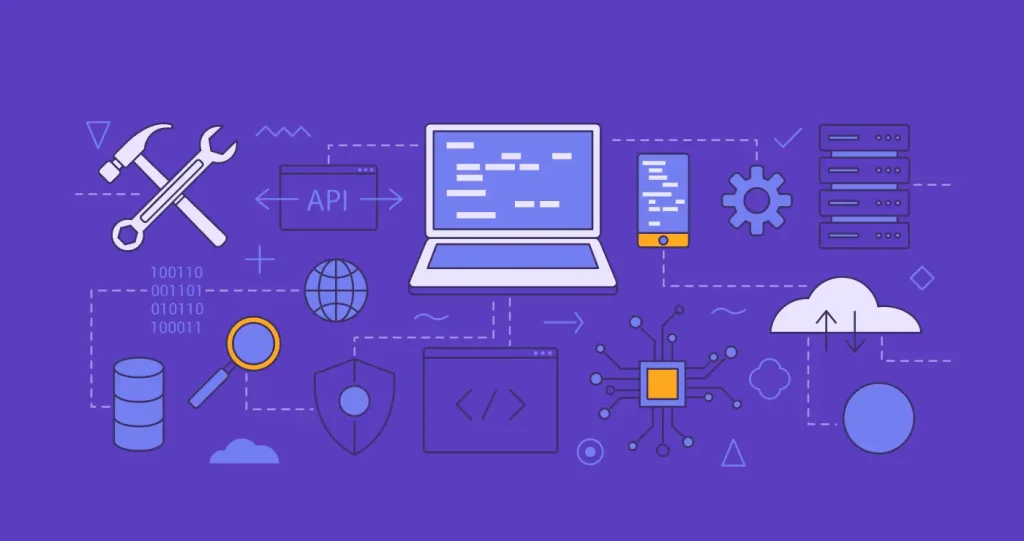
Software license management tools help organizations effectively monitor and streamline software usage. These tools offer better control over vendor interactions and deliver valuable insights into how software is utilized.
Lastly, they automate repetitive tasks like license maintenance and allocation, ensuring compliance with End User License Agreements (EULAs).
What are The Risks of Ineffective Software License Management
When software licenses aren’t properly managed, organizations face a host of challenges, ranging from operational setbacks and increased security risks to unnecessary financial burdens. A lack of clear oversight into software assets often results in failed audits and unchecked software spending.
The average annual waste on SaaS spending across businesses is 29%, equating to nearly $17 million per organization.
Here are some of the common risks businesses face in the absence of a strong software license management strategy:
Non-Compliance In Software Audits:
Software audits—whether conducted internally or by third parties—evaluate software systems’ compliance with licensing agreements and regulatory standards. If your organization isn’t aligned with End User License Agreements (EULAs), it may face severe penalties and unexpected costs.
Inflated software costs:
Organizations often struggle to track software usage and budgeting without a structured license management system. This lack of visibility leads to redundant purchases, license duplication, and inflated IT expenses.
Complicated procurement processes:
When no centralized system is in place to oversee licensing, IT teams find it challenging to detect shadow IT practices or evaluate which licenses need renewal. This creates a complex, inefficient procurement process that drains both time and resources.
7 Best Practices For Business Software License Management

Before implementing best practices, your organization should invest in a tool designed to oversee your software portfolio. While it may sound redundant, the ability to view all your software assets in one centralized location offers substantial value.
One such tool is License Manager for WooCommerce, a platform relied on by thousands of businesses to monitor their SaaS license management tools. With License Manager for WooCommerce in place, following industry best practices becomes significantly more manageable.
Smooth Your Software Acquisition Process
How does your company currently acquire software licenses? Before implementing a software license management tool, your method may range from highly structured to completely scattered. Regardless of your current process, this is the perfect time to create a consistent approach.
Identify who handles the procurement, and designate where essential documents like certificates are stored. Take a fresh look and restructure as needed.
Audit Your Tech Stack And Software Usage
Do you know what licenses your business already holds? As you roll out your SLM strategy, inventory every software product used across teams. This audit helps reveal if you’re overspending on licenses or at risk of non-compliance.
Evaluate Licensing Requirements Per Application
Once you’ve cataloged your software, analyze how many licenses each application needs. Review your current inventory against usage, and apply product usage rights to ensure you get full value from what you’ve purchased.
Remove Overlapping Software Licenses
By organizing your licenses and understanding what each tool does, you might discover an overlap in functionality. This can be an opportunity to consolidate platforms, cutting costs by replacing two tools with one integrated solution.
Keep License Records And Inventories Current
As your IT environment evolves, so do your software needs. Stay on top of software installations, upgrades, downgrades, new acquisitions, and contract deadlines. Keeping your records up to date ensures smoother license management and better compliance.
Implement License Management Software

Platforms like License Manager for WooCommerce Track can automatically monitor software usage on employee devices. While automation is powerful, periodic manual audits are crucial to verify the data and maintain accuracy.
Analyze Usage With Detailed Licensing Reports
Software license management tools help IT departments gain full visibility into usage trends and overall spending. Reviewing this data via detailed reports helps fine-tune costs and maintain a well-managed software environment.
Protect Your Business With Software License Management!
With control over insights related to software license management, you can optimize business processes across departments. You can enable teams to use various analytics to improve compliance, optimize costs, mitigate risks, and improve operational efficiency, making better decisions with streamlined workflows.